Claim Free Estimates on HVAC Projects
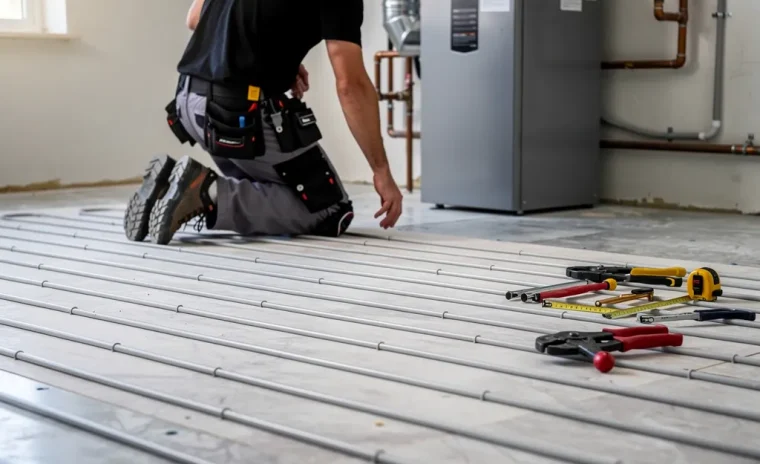
Rising energy bills, frequent repairs, and uneven heating signal a system nearing the end of its life in homes needing replacement. Units lasting beyond 15 years, like aging boilers, lose efficiency fast. Jimmy Gusky Heating And Air, LLC serves the region with heating replacement options including high-efficiency boilers such as the Rheem FT Series.
What Are the Signs That My Heating System Needs Replacement Soon?
Homeowners should watch for rising energy bills and uneven room temperatures as primary indicators their heating system needs replacement soon. These warning signs point to an aging unit that loses efficiency and struggles to maintain consistent comfort.
Rising Energy Bills Signal Declining Efficiency
One of the clearest signs that a heating system is becoming inefficient is a steady increase in monthly energy costs. Older furnaces and boilers work harder to maintain indoor temperatures, especially during the region’s colder months. Older boiler models are far less energy efficient than today’s advanced systems. If a boiler is over a decade old, it may not meet the needs of the household. Efficiency naturally declines over time, forcing the unit to consume more fuel for the same output.
Uneven Temperatures Throughout the Home
An aging heating system struggles to heat a home evenly and consistently, particularly on colder days. Some rooms may feel too warm while others remain cold. This uneven distribution signals that the system can no longer circulate air effectively. Homeowners noticing this pattern should consider replacement before the problem worsens.
Cold Air Blowing from Vents
What does it mean when a furnace blows cold air? If a furnace blows cool air instead of warm, that signals a red flag. A clogged filter, failing heat exchanger, ignition issue, or thermostat malfunction could be the cause. When these problems recur despite repairs, the system likely needs replacement.
How quickly should a homeowner act on these signs? Acting promptly prevents a mid-winter breakdown. Scheduling an assessment during warmer months gives contractors greater availability and avoids emergency replacement costs.
Is Your Heating System Over 15 Years Old?
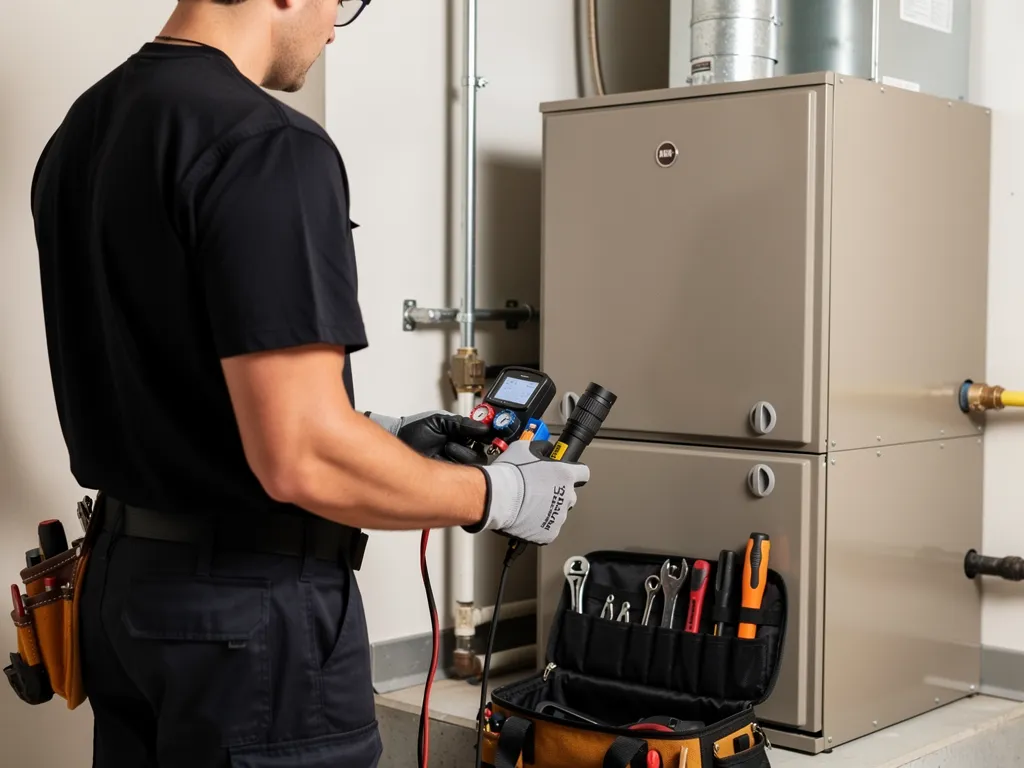
A heating system over 15 years old is likely due for replacement. Efficiency naturally declines with age, and even well-maintained units struggle to keep up with household demands. An aging system wastes energy to maintain comfortable temperatures, driving up utility bills.
How Does Age Affect Heating System Performance?
Older heating systems lose efficiency year after year. A furnace or boiler that has operated for 15 years or more must work harder to produce the same heat output. This extra effort increases wear on internal components and raises monthly energy costs. Homeowners with units in this age range often notice inconsistent room temperatures and longer run cycles.
When Do Repairs Stop Making Financial Sense?
Regular maintenance from HVAC contractors can extend the lifespan of a furnace or boiler. However, every system reaches a point where repairs are no longer cost-effective. For a unit past the 15-year mark, a single major repair can cost a significant portion of a new system price. Multiple repairs in consecutive seasons signal that replacement is the smarter financial choice.
Key signs that age has caught up with a heating system:
- Rising energy bills despite consistent usage patterns
- Frequent service calls for the same recurring issues
- Uneven heating across different rooms in the home
- Strange noises or odors during operation
- Visible rust or corrosion on the unit exterior
Replacement Soon homeowners should track the installation date of their heating system. If that date falls more than 15 years in the past, planning a replacement before the next heating season prevents emergency breakdowns and unexpected costs.
Are Frequent Repairs Costing You More Than a New System?
Frequent repair bills on an aging furnace or boiler quietly drain a household budget. Homeowners who recognize warning signs early avoid unexpected breakdowns, rising energy costs, and inconsistent indoor comfort, according to Key Indicators Your Home Heating System is Ready for an Upgrade. A struggling system that keeps requiring service calls may have crossed the point where repairs stop making financial sense.
The math shifts as a unit ages. Each service visit adds cost without restoring full efficiency. At some stage, the total spent on parts and labor exceeds what a new, reliable system would cost.
How Do Emergency Replacements Compare to Planned Upgrades?
Emergency situations carry a heavy penalty. A homeowner who loses heat midwinter faces several frozen days. A bill for a whole new heating system installed on an emergency basis. Five signs you need to replace your boiler or furnace explains. Planned replacements avoid that pressure entirely.
| Scenario | Cost Impact | Convenience |
|---|---|---|
| Planned replacement | Scheduled during contractor availability | Choice of timing and system |
| Emergency replacement | Premium pricing, urgent labor | No choice, immediate need |
What Steps Help Homeowners Avoid an Emergency Installation?
Knowing the warning signs allows homeowners to make arrangements well ahead of time. Contractors have greater availability in warmer months, which makes scheduling easier and pricing more competitive.
- Track every repair cost for the current system.
- Compare the running total against replacement estimates.
- Schedule a professional assessment before winter arrives.
- Plan the upgrade during off-peak seasons.
Catching the signs early protects the household from both financial strain and a midwinter crisis. A planned replacement keeps control in the homeowner’s hands.
How to Compare Repair Costs vs. Replacement Value?
Homeowners must weigh the expense of major repairs against the long-term savings of a new, high-efficiency heating unit. An aging system that requires frequent fixes often costs more over time than investing in a modern replacement. Understanding this balance prevents wasted money on temporary solutions.
What Fixes Signal It Is Time to Replace?
A single repair, like a new blower motor or heat exchanger, can cost hundreds of dollars. When repair bills approach half the price of a new system, replacement becomes the smarter financial move. Older units lose efficiency naturally over time, making each repair less valuable in extending useful life.
| Decision Factor | Repair Option | Replacement Option |
|---|---|---|
| Upfront cost | Lower | Higher |
| Energy efficiency | Declining per year | High and stable |
| Lifespan extension | Short-term | 15–20 years |
| Monthly utility bills | Rising | Decreasing |
Does Age of the System Play a Role?
Replacing an old boiler with a super high efficiency boiler can save money over time. Heating units over a decade old operate far below modern efficiency standards. Older boiler models are far less energy efficient than today’s advanced systems, according to industry evaluations. A professional assessment helps determine whether a newer unit would recover its own cost through lower energy bills within a few years.
Jimmy Gusky provides honest comparisons for homeowners considering this decision. An expert evaluation identifies the point where continued patching becomes a losing financial strategy. Choosing replacement eliminates surprise breakdowns and rising utility costs simultaneously.
When Should You Schedule a Professional Inspection?
Scheduling a professional inspection before winter peak helps homeowners avoid breakdowns during cold weather. A heating system works quietly in the background, keeping a home warm and showers hot, until it stops. Waiting for a failure forces an emergency replacement at the worst possible time. An inspection catches problems early, when contractors have greater availability and homeowners have time to plan.
A skilled and licensed team diagnoses issues and recommends replacement if needed. Timely service and comprehensive assessments maintain comfort systems effectively. The inspection evaluates the unit’s age, efficiency, and repair history to determine whether an upgrade makes financial sense.
How Does a Professional Inspection Prevent Emergency Replacements?
A professional inspection identifies failing components before they cause a total system shutdown. The technician checks the heat exchanger, burner assembly, and blower motor for signs of wear. Catching a cracked heat exchanger or failing ignitor during a fall inspection costs far less than a frozen-pipe repair in January. The inspection also measures carbon monoxide levels and combustion efficiency, two metrics that signal whether the system has entered its final season of safe operation.
What Does the Inspection Process Include?
The process follows a structured sequence of checks:
- Visual assessment of the unit, venting, and surrounding area for rust, soot, or water damage.
- Combustion analysis to measure efficiency and confirm safe exhaust venting.
- Component testing of the thermostat, limit switches, gas valve, and circulating pump.
- Heat exchanger inspection for cracks, corrosion, or soot buildup that reduces heat transfer.
- Efficiency calculation comparing current performance against the unit’s rated AFUE.
A thorough inspection provides the data needed to decide between one more repair and a planned replacement. Homeowners who schedule this check before November avoid the coldest wait times and highest emergency rates.
FAQ
How old does a heating system need to be before replacement becomes necessary?
Once a furnace or boiler passes the 15-year mark, efficiency declines sharply and components wear down, making replacement the practical choice over continued repairs.
What does cold air from the vents indicate?
Cold air signals a clogged filter, failing heat exchanger, ignition issue, or thermostat malfunction. Recurring cold air despite repairs means the system needs replacement.
When should homeowners schedule a heating system assessment?
Scheduling during warmer months gives contractors greater availability and avoids emergency replacement costs, preventing a mid-winter breakdown when the system is needed most.
Conclusion
In closing, recognizing the warning signs of a failing heating system empowers you to take control before an emergency forces your hand. The decision between repair and replacement hinges on age, efficiency, and repair history, factors a professional assessment clarifies with precision. By scheduling an inspection during warmer months, you avoid the financial penalty and inconvenience of a midwinter breakdown while securing a modern system that delivers reliable comfort and lower energy costs for years ahead. Jimmy Gusky Heating And Air stands ready to guide you through this decision with honest evaluation and straightforward advice.