Claim Free Estimates on HVAC Projects
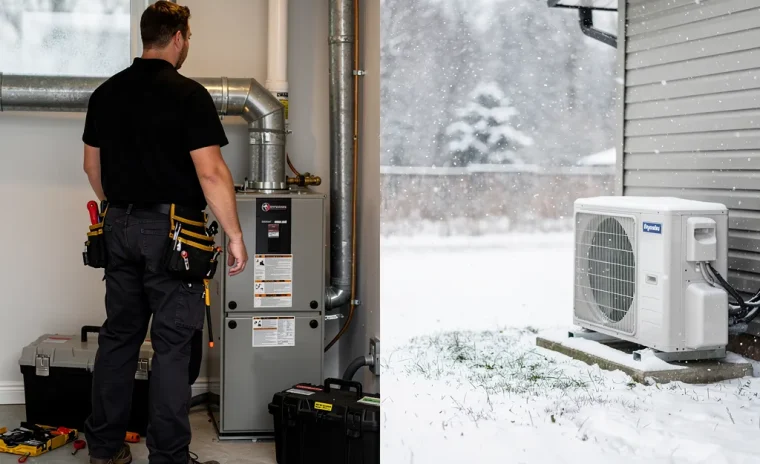
Energy-efficient heating systems in Washington, D.C. include electric heat pumps, which ACEEE research identifies as the cheapest clean heating option for most U.S. homes. DC homeowners can pair upgrades with DCSEU rebates ranging from $35 to $5,000. Jimmy Gusky Heating And Air, LLC installs and services these systems, with over 30 years of local experience.
Why Upgrade Your Heating System in DC?
Older heating systems in Washington, DC homes often signal trouble through warm air, weak airflow, unusual noises, rising energy bills, or inconsistent temperatures. These common signs are frequent reasons homeowners seek upgrades. An aging system struggles to maintain comfort during DC’s cold winters, forcing equipment to work harder and consume more energy.
What Signs Indicate a Heating System Needs Replacement?
Warm air from vents, weak airflow, or strange sounds like banging or squealing point to potential failure. Rising energy bills without a rate change also suggest declining efficiency. Inconsistent temperatures across different rooms indicate the system cannot distribute heat properly. A professional inspection can identify the root cause and explain available options.
How Often Should Heating Systems Receive Maintenance?
Most systems benefit from service once a year. Regular checks help improve efficiency, reduce breakdowns, and keep equipment prepared for seasonal weather. This is especially important before DC winters arrive, when a neglected system is more likely to fail during peak demand.
Newer systems often provide better efficiency and more consistent performance than aging equipment. A review of the home’s setup can suggest options designed to reduce energy use. Upgrading to Energy-Efficient Heating Systems for Homes addresses both comfort and operational cost concerns for DC property owners.
- Warm air or weak airflow from vents
- Unusual noises during operation
- Rising energy bills without usage changes
- Inconsistent temperatures between rooms
Heat Pumps vs. Gas Furnaces: What Fits DC?
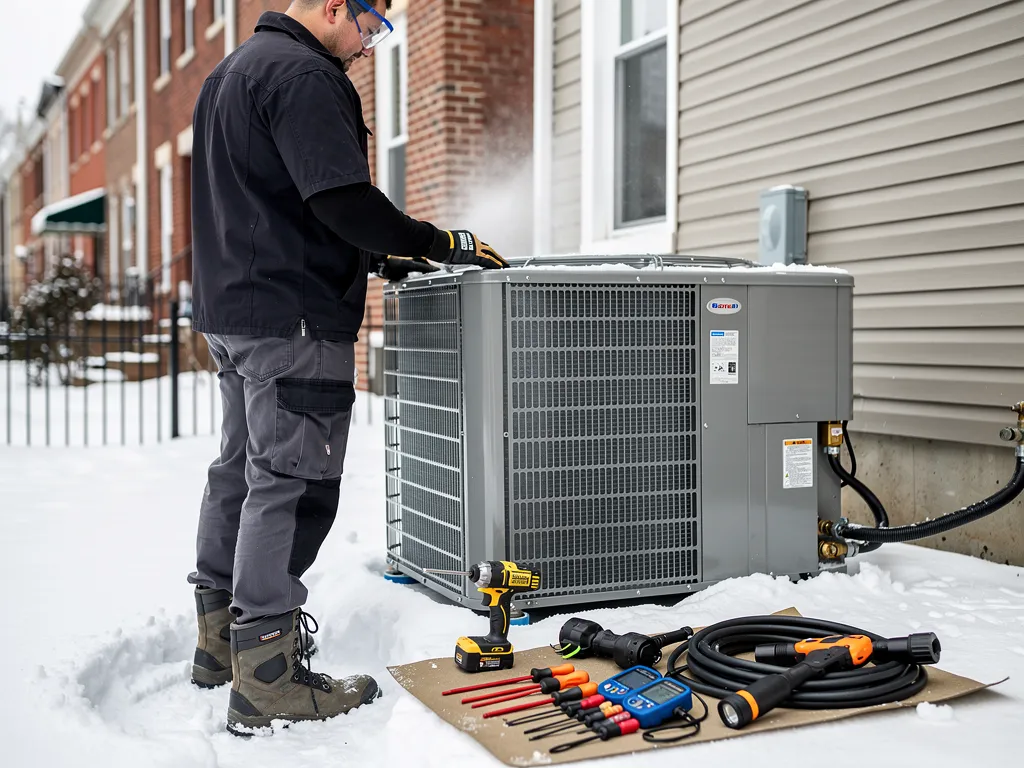
Electric heat pumps generally offer the cheapest way to cleanly heat and cool single-family homes in all. The coldest parts of the United States, according to research from the American Council for an Energy-Efficient Economy. That finding matters for Washington, D.C. homeowners facing aging furnaces and rising winter bills. A heat pump moves heat rather than burning fuel to create it, which explains the cost advantage.
How Do Heat Pumps Compare on Efficiency?
Modern electric technologies, such as heat pumps for heating and cooling, are significantly more efficient than their gas-powered counterparts. That efficiency translates directly into lower monthly energy consumption during DC’s heating season. For most District homes, the math favors electrification.
| Factor | Electric Heat Pump | Gas Furnace |
|---|---|---|
| Heating method | Moves existing heat | Burns fuel |
| Efficiency | Significantly higher | Lower |
| Cooling capability | Built-in | Separate system needed |
| Cold-weather backup | May need alternative fuel | Not required |
What About Frigid Winter Spells?
In very cold places, electric heat pumps with an alternative fuel backup for frigid periods minimize costs. DC winters rarely hit extreme lows, but a backup option provides peace of mind during polar vortex events. Homeowners can pair a heat pump with a supplemental source for the coldest nights.
How Should Homeowners Approach the Upgrade?
Jimmy Gusky Heating And Air, LLC provides heating installation and replacement for furnaces, boilers, or heat pumps. The process includes safe removal of old units, proper sizing, and thorough testing so the home stays warm and efficient all winter. Proper sizing matters most; an oversized or undersized system wastes energy and shortens equipment life. A professional assessment determines which Energy-Efficient Heating Systems for Homes fit the property’s layout and insulation levels.
How Do DC Rebates Lower Your Upgrade Cost?
Washington, D.C. homeowners can reduce the cost of a new heating system by hundreds or thousands of dollars through the DC Sustainable Energy Utility (DCSEU). District residents save from $35 to $5,000 on equipment or services through these rebate programs. The savings apply to heating, cooling, appliances, and other energy-efficient upgrades. This direct financial support makes Energy-Efficient Heating Systems for Homes far more accessible for local property owners.
What Is the Maximum Rebate Available?
The DCSEU offers generous incentives that save District residents up to $5,000 on upgrades for energy efficiency and beneficial electrification. This maximum rebate covers a significant portion of a new heat pump or high-efficiency furnace installation. Homeowners who plan their upgrade around these incentives see a much faster return on investment.
How Do Income-Qualified Households Save Even More?
Income-qualified households unlock additional benefits beyond the standard rebate range. These households can receive no-cost rooftop solar and energy-efficient electric HVAC equipment. The program removes the upfront cost barrier entirely for qualifying residents. This approach helps lower-income homeowners access modern heating technology without financial strain.
The efficiency of modern electric technologies translates directly into savings on monthly utility bills. When paired with rooftop solar or the District’s clean energy supply, the benefits grow even further. Homeowners who combine rebates with efficient equipment reduce both installation costs and long-term operating expenses. The result is a heating system that pays for itself faster while keeping winter homes comfortable.
What Should You Know About Dual-Fuel Hybrids?
A dual-fuel hybrid system pairs an electric heat pump with a backup fuel source for the coldest periods. This combination minimizes overall operating costs, according to research from the American Council for an Energy-Efficient Economy. The heat pump handles most heating and cooling needs efficiently. The backup fuel source activates only during frigid conditions when heat pump performance drops.
How Does a Backup Fuel Source Reduce Costs?
The backup fuel source runs only during the harshest winter days. This strategy avoids running expensive resistance heat or overworking the heat pump. Homeowners in Washington, D.C. see lower utility bills because the system uses the most efficient option for each temperature range. The system automatically switches between fuel sources based on outdoor conditions.
What Maintenance Does a Dual-Fuel System Require?
A dual-fuel system needs regular checks on both the heat pump and the backup heating component. Jimmy Gusky’s team provides heating repair and maintenance that restores safe, steady heat. The process includes detailed diagnostics, repairs, and maintenance checks that protect the system. These checks improve performance and reduce the risk of winter breakdowns.
The team listens to client concerns, explains options clearly, and stands behind every repair, install, and maintenance visit. Licensed, bonded, and insured crews serve Washington, D.C., Maryland, and Northern Virginia. A dual-fuel hybrid gives homeowners flexibility and efficiency across every season.
How Do You Choose the Right Installer?
Selecting the right heating installer in Washington, D.C. starts with verifying experience and communication style. A qualified team brings more than 30 years of hands-on work with heating, cooling, and plumbing systems, which builds the skills needed to solve complex comfort issues. Homeowners should look for a provider that listens, explains options clearly, and stands behind every repair and installation.
What Should a Professional Installation Process Include?
A trustworthy installer begins with a full system check before touching any equipment. The technician explains what the inspection reveals and recommends the ideal solution for the home. Only after the homeowner approves the work does the crew complete the repair and verify system performance. This process prevents surprise costs and ensures the new Energy-Efficient Heating Systems for Homes actually operate as intended.
Who Can Benefit From Professional Installation Services?
The right installer serves a range of clients across the District. Consider whether the company works with:
- Homeowners managing single-family residences
- Property managers overseeing multiple units
- Small commercial businesses with unique heating demands
A provider serving all three groups demonstrates versatility and local knowledge. Fast response matters when winter temperatures drop and comfort is on the line. Homeowners should prioritize honest recommendations and detailed workmanship over the lowest bid. The cheapest quote rarely delivers the most reliable heat. Choosing a team with proven longevity and clear communication protects both the home and the investment.
FAQ
What are signs a heating system needs replacement?
Warm air from vents, weak airflow, or strange banging and squealing sounds point to potential failure. Rising energy bills without a rate change and inconsistent temperatures across rooms also indicate declining efficiency.
How often should heating systems get maintenance?
Regular checks improve efficiency, reduce breakdowns, and prepare equipment for DC’s cold winters before peak demand arrives.
Why do electric heat pumps suit Washington DC homes?
ACEEE research identifies electric heat pumps as the cheapest clean heating option for most U.S. homes, moving heat rather than burning fuel. They offer significantly higher efficiency than gas furnaces and include built-in cooling capability.
Conclusion
In closing, upgrading to an energy-efficient heating system in Washington, D.C. combines immediate rebate savings with long-term utility reductions and enhanced home comfort. Whether you choose a heat pump, dual-fuel hybrid, or high-efficiency furnace, professional installation and regular maintenance protect your investment and ensure reliable performance through every season. Jimmy Gusky Heating And Air brings over 30 years of local expertise and honest guidance to help you select the right system for your home, then stands behind the work with skilled, licensed service that keeps your heating running efficiently year after year.