Claim Free Estimates on HVAC Projects

Washington, DC furnaces signal trouble through cold spots, rising utility bills, strange noises, frequent cycling, or trouble starting. Units over 15 years old often struggle through harsh winters. Jimmy Gusky Heating And Air, LLC, with over 30 years of experience, inspects these warning signs and advises homeowners whether repair or full replacement protects comfort and budget best.
What Signs Indicate That I Need Furnace Repair or Replacement in Washington DC?
Furnaces in Washington, DC usually give warning signs before they fail completely. Catching those signs early saves money, prevents breakdowns, and keeps a home safe through the coldest months. A homeowner who ignores the signals risks waking up to a cold house in the middle of winter.
Trouble starting or staying on ranks as the most common red flag. A properly running furnace should kick on quickly when the thermostat calls for heat. If the unit hesitates, needs several restarts, or shuts down before finishing a cycle, something is wrong. Common culprits include ignition issues, worn wiring, or faulty safety switches.
How can a homeowner tell if the furnace needs repair or full replacement?
Age and repair frequency provide the clearest answer. A furnace that fails repeatedly or runs for more than 15 years often costs more to fix than to replace. A newer unit with a single issue usually responds well to professional repair. Jimmy Gusky Heating And Air, LLC brings more than 30 years of experience diagnosing heating systems across Washington, DC.
What should a homeowner do when these warning signs appear?
- Turn off the furnace at the thermostat and the breaker to prevent further damage.
- Check the thermostat for dead batteries or incorrect settings.
- Inspect the air filter and replace it if clogged, since restricted airflow causes many startup failures.
- Schedule a professional inspection to identify the exact cause before the system fails entirely.
The brand’s technicians restore safe, steady heat through detailed diagnostics, repairs, and maintenance checks. These services improve system performance and reduce the risk of winter breakdowns. Acting on warning signs early protects both comfort and the household budget.
Is Your Furnace Making Strange Noises or Blowing Cold Air?
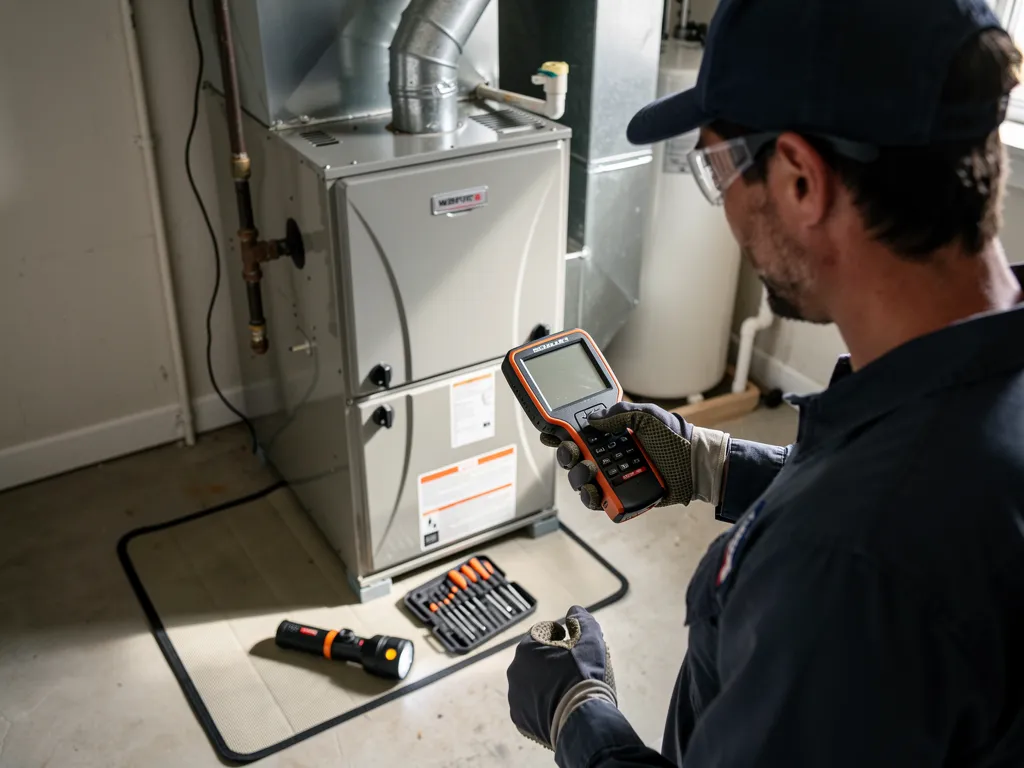
Unusual noises, weak airflow, and inconsistent temperatures often signal that a furnace needs professional attention. A furnace blowing cold air instead of heat frequently points to ignition problems or a failing heat exchanger. These issues prevent the system from completing a full heating cycle.
What causes a furnace to blow cold air?
Ignition issues, worn wiring, or faulty safety switches are common culprits behind cold air output. An older furnace may struggle to start or shut down before finishing a cycle. These problems require a thorough inspection to identify the root cause.
How do professionals diagnose strange furnace noises?
A full system check is the standard diagnostic approach for unusual sounds. The inspection covers the blower motor, burner assembly, and heat exchanger. Technicians explain what they find and recommend the ideal solution. Once the homeowner approves the work, the repair is completed and system performance is verified.
Common signs that a furnace needs attention include:
- Strange noises such as banging, squealing, or rattling from the unit
- Weak airflow coming from vents throughout the home
- Inconsistent temperatures between rooms or floors
- Rising energy bills without a change in usage patterns
- Cold air blowing when the thermostat calls for heat
Washington, DC homeowners experiencing any of these issues should schedule a furnace inspection promptly. Delaying repairs risks a complete breakdown during the coldest winter months. A professional assessment determines whether a repair or full replacement is the more cost-effective path forward.
Are Your Energy Bills Rising Without Explanation?
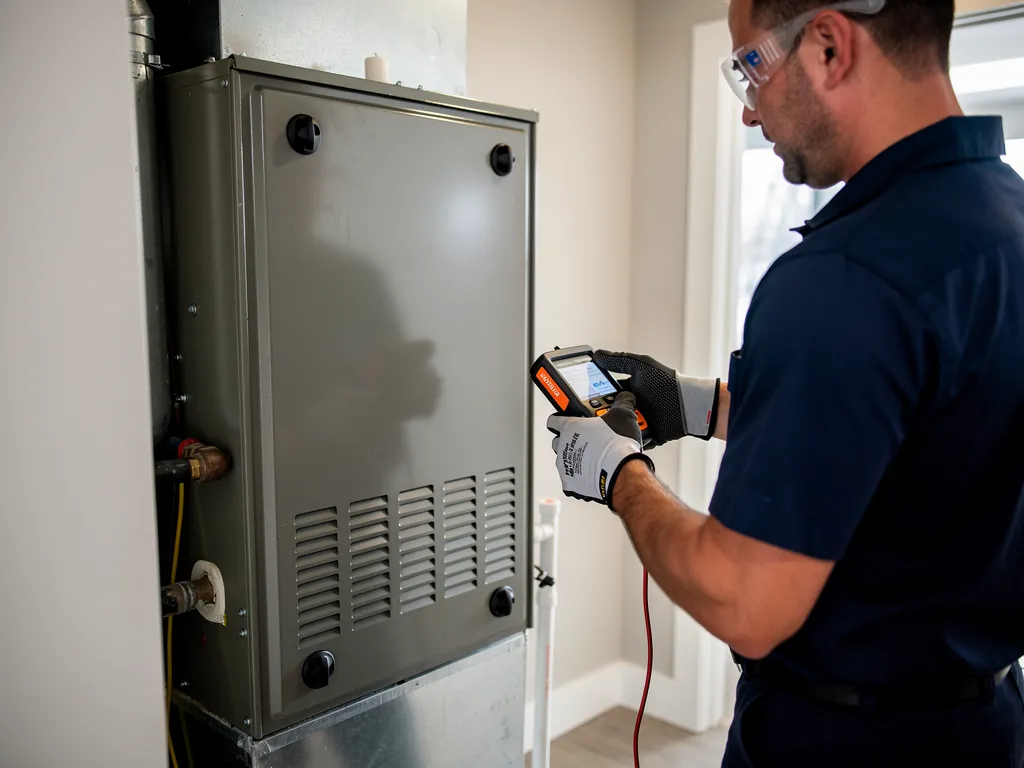
Rising energy costs combined with frequent furnace repairs signal that heating equipment may need replacement. When a furnace operates inefficiently, it consumes more fuel to produce the same amount of heat. Washington, DC homeowners often notice this pattern during the coldest months of the year.
How Old Is Too Old for a Furnace?
A furnace or boiler older than 15 years should be considered for replacement. According to ENERGY STAR standards, a qualified furnace is 15% more efficient than a conventional model. Older units lose efficiency as internal components wear down over time. Replacing an aging system before it fails prevents emergency breakdowns during a DC winter.
What Options Do Homeowners Have?
Jimmy Gusky Heating And Air, LLC provides honest recommendations and clear options for furnace replacement. The team explains each choice plainly and stands behind every repair and installation. Homeowners receive straightforward guidance without pressure or hidden upsells.
Signs that rising bills point to furnace replacement:
- Energy bills increase steadily despite normal thermostat settings
- The furnace requires frequent repairs throughout the heating season
- The system runs longer cycles without warming the home adequately
- The unit is approaching or past 15 years of service
Tracking monthly utility costs against outdoor temperatures reveals whether a furnace is losing efficiency. A sudden spike in heating costs without a corresponding drop in outdoor temperature warrants a professional assessment. Addressing the issue early saves money and prevents a midwinter system failure.
How Do You Decide Between Repair and Full Replacement?
A full system check determines whether a targeted repair or a new furnace is the most cost-effective path. Since 1989, they’ve been known for reliable HVAC and plumbing solutions. The team starts with a complete system assessment, explains findings clearly, and recommends the ideal solution. Once a client approves the work, technicians complete the repair and verify system performance.
When Does a Repair Make More Sense Than Replacement?
A repair is the right choice when the furnace has a single failing component and the unit is relatively young. Common repairs include fixing ignition issues, replacing a faulty blower motor, or addressing thermostat malfunctions. If the furnace is under 15 years old. The repair cost stays below half the price of a new unit, repairing extends the system’s useful life without a major capital expense.
What Makes Replacement the Better Long-Term Option?
Replacement becomes the smarter investment when the furnace exceeds 15 years of age or requires frequent, costly repairs. Newer high-efficiency furnaces can save up to 20 percent on heating and cooling costs when installed correctly. Units that have earned the ENERGY STAR label deliver these savings through superior design and performance. A replacement also eliminates the risk of mid-winter breakdowns and provides a fresh warranty for peace of mind.
| Factor | Repair | Full Replacement |
|---|---|---|
| Furnace age | Under 15 years | 15 years or older |
| Cost comparison | Less than half of new unit cost | Equal to or less than frequent repairs |
| Warranty coverage | Limited to repaired part | Full new equipment warranty |
What Steps Should You Should Take Before Winter Hits?
Washington, D.C. winters bring freezing temperatures, snow, and ice that put every heating system to the test. Homeowners who prepare their furnaces before the first cold snap avoid the stress of a mid-winter breakdown. A little planning in the fall keeps a home warm and safe all season long.
How Often Should a Furnace Be Serviced?
Most systems benefit from service once a year. Regular checks help improve efficiency, reduce breakdowns, and keep equipment prepared for seasonal weather. Skipping that annual visit leaves a furnace vulnerable to the exact problems that surface during a January cold spell.
What Should a Pre-Winter Check Include?
A professional tune-up covers the critical components that fail most often. The technician inspects the heat exchanger, burner, and ignition system. The crew also checks airflow, cleans dirty parts, and verifies that the thermostat communicates properly with the furnace.
How Can Homeowners Test Their Own Furnace?
Testing the furnace before cold weather arrives prevents emergency breakdowns during winter. Homeowners can run a simple check on a mild fall day:
- Set the thermostat five degrees above the current room temperature.
- Listen for the furnace to kick on within a few minutes.
- Hold a hand over each vent to confirm warm air flows everywhere.
- Watch for odd smells, strange noises, or uneven heating.
- Call a professional if anything seems off during the test.
Jimmy Gusky Heating And Air, LLC provides seasonal tune-ups and maintenance checks that protect heating systems. Detailed diagnostics, repairs, and maintenance checks restore safe, steady heat, improve performance, and reduce the risk of winter breakdowns. Scheduling that service in October or early November gives D.C. homeowners peace of mind before the season turns harsh.
FAQ
What are common signs a furnace needs repair?
Cold spots, rising utility bills, strange noises, frequent cycling, and trouble starting all signal furnace trouble. Trouble starting or staying on ranks as the most common red flag homeowners notice.
How do I know whether to repair or replace my furnace?
Age and repair frequency give the clearest answer: a furnace failing repeatedly or running over 15 years often costs more to fix than replace. ###
What should I do first if my furnace shows warning signs?
Turn off the furnace at the thermostat and breaker, check the thermostat batteries and settings, and inspect the air filter for clogs. Then schedule a professional inspection to pinpoint the exact cause before the system fails.
Conclusion
In closing, recognizing the signs of furnace trouble early protects your home’s comfort and your wallet. Whether your system needs a targeted repair or a full replacement, the decision rests on age, repair frequency, and cost comparison. Jimmy Gusky Heating And Air, LLC stands ready to assess your furnace honestly, explain your options clearly, and deliver the solution that serves your home best. Schedule a professional inspection before winter arrives. Rest assured your heating system will keep your family warm all season long.