Claim Free Estimates on HVAC Projects
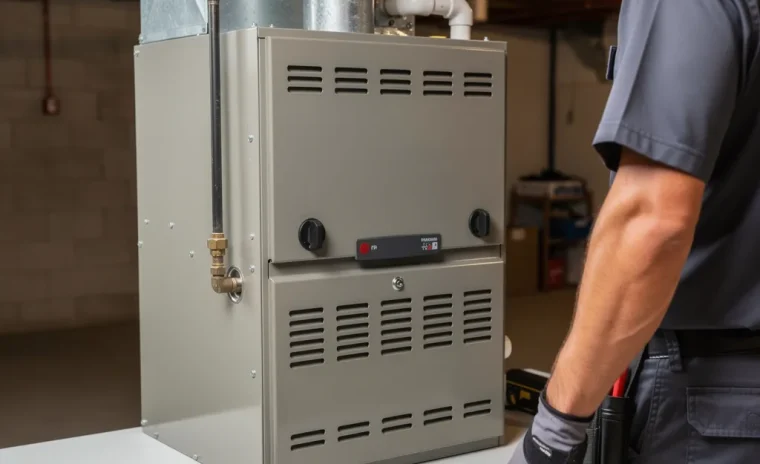
Furnace repair steps in Washington, D.C. start with checking the thermostat settings and power switch, then inspecting the air filter for clogs, and confirming the circuit breaker hasn’t tripped. Jimmy Gusky Heating And Air, LLC, with over 30 years of experience, advises calling a licensed technician if heat loss continues after basic checks.
What do you need before starting furnace repairs?
Washington, DC homeowners face unique challenges when furnace trouble strikes. Many DC homes were built around the mid-20th century, which often means HVAC systems are retrofitted into tight attic or crawl spaces. Before any repair work begins, gathering the right preparation and understanding the property’s limitations prevents wasted time and unsafe conditions.
What basic tools should a homeowner have on hand?
A homeowner should gather a screwdriver, a new air filter, and a flashlight before inspecting the unit. These simple tools allow a visual check of the furnace exterior and filter condition. A dirty filter causes many common heating failures, and replacing it resolves the issue without deeper repair.
Why does a licensed team matter for older DC homes?
A licensed, bonded, and insured team ensures safe, code-compliant HVAC work on every visit. The team at Jimmy Gusky Heating And Air, LLC has been working on heating systems since 1989, giving them the skills to solve complex comfort issues. Older homes with retrofitted systems require technicians who understand tight attic spaces and aging infrastructure.
Steps for Furnace Repair Service DC begin with a full system check. The technician explains what they find and recommends the ideal solution. Homeowners benefit from clear communication about the furnace condition before any work proceeds.
How do you troubleshoot a furnace that won’t start?
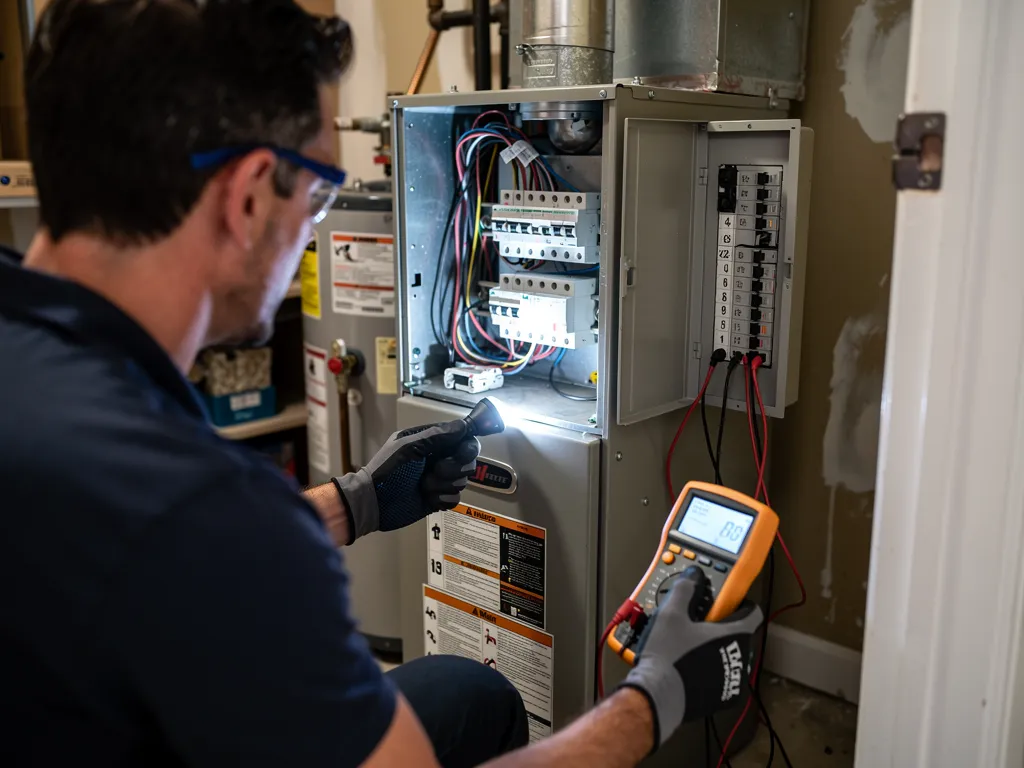
A furnace that refuses to start leaves a Washington, DC home cold and uncomfortable. Homeowners can resolve several common issues without calling for help. The first step is always checking the thermostat.
What should a homeowner check first?
Checking the thermostat settings is the first logical step to ensure the system is calling for heat. A homeowner should confirm the thermostat is set to “Heat” and the temperature is higher than the current room reading. Many DC residents find the unit simply lost its setting during a power flicker.
How do you check the power supply?
A tripped circuit breaker or blown fuse is a common cause of a furnace that won’t power on. Homeowners can safely check their electrical panel for a switch in the off position. Look for the breaker labeled for the furnace or HVAC system. Reset the breaker once, and listen for the system to respond.
When should a homeowner call a professional?
If the furnace still doesn’t start after checking the thermostat and power, it is time to call a professional for detailed diagnostics. A licensed technician can inspect the unit and explain the next steps clearly.
Follow these steps for furnace repair service DC homeowners can use safely:
- Verify the thermostat calls for heat.
- Check the electrical panel for a tripped breaker.
- Reset the breaker once and wait for the furnace.
- Call a professional if the system stays silent.
Warm air, weak airflow, unusual noises, rising energy bills, or inconsistent temperatures often signal that your system needs attention. Ignoring these signs leads to a complete breakdown during the coldest nights. A professional team can inspect the unit and explain the next steps.
What are the steps for checking the air filter and airflow?
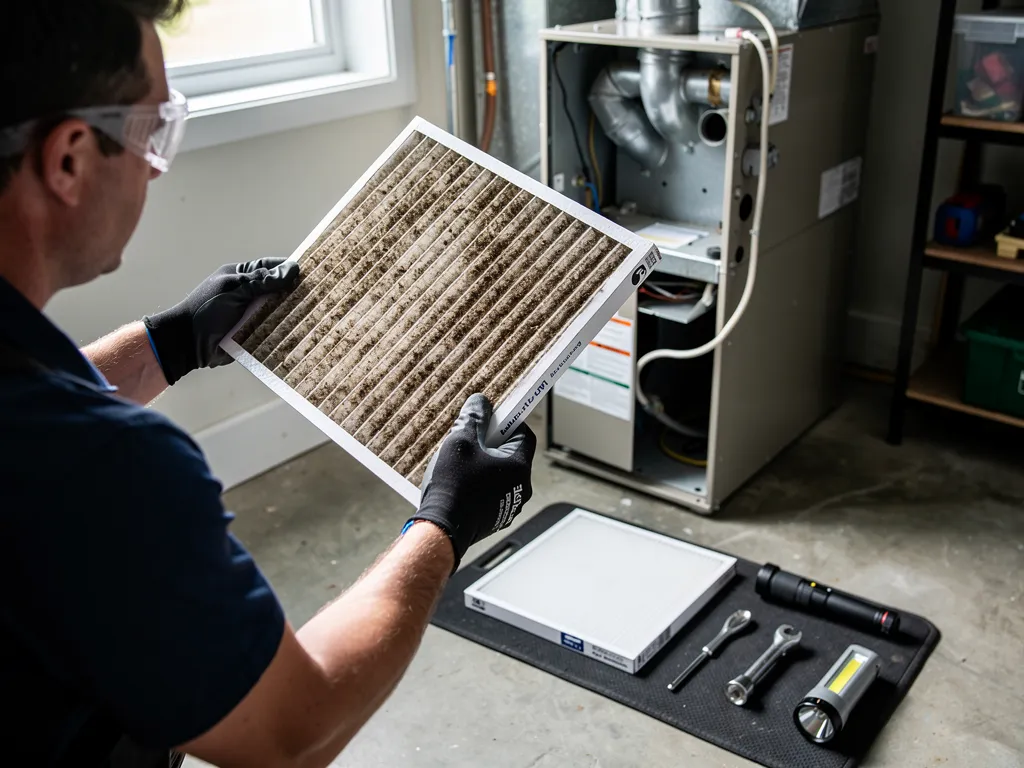
A clogged air filter is a common cause of weak airflow and rising energy bills in Washington, D.C. homes. Homeowners should locate the filter slot on the furnace or in the return air duct to begin the inspection.
Step 1: Turn off the furnace. Safety comes first before any filter work. Step 2: Slide out the old filter. Hold it up to a light source. If light barely passes through, the filter is dirty. Step 3: Replace with a clean filter. Match the size and type printed on the old filter frame. Step 4: Restore power and run the furnace. Check the vents for stronger airflow after the change.
How often should a homeowner change the furnace filter?
A standard recommendation is every one to three months during peak heating season. Homes with pets or occupants with allergies may need monthly changes. Regular checks help improve efficiency, reduce breakdowns, and keep equipment prepared for seasonal weather.
What does weak airflow after a filter change mean?
If airflow remains weak after a fresh filter, the problem may be a blocked duct or a failing blower motor. These issues require professional attention. A technician can inspect the system and explain the next steps. Warm air, weak airflow, unusual noises, rising energy bills, or inconsistent temperatures often signal that the system needs a deeper look.
When should you call a professional for furnace repair?
Homeowners should call a professional for furnace repair when the system shows clear warning signs. Unusual noises, persistent cold spots, or a furnace that cycles on and off frequently signal that a professional should inspect the system. Ignoring these signs risks a complete breakdown during the coldest months.
What are the warning signs of a failing furnace?
Several indicators point to a furnace in trouble. Warm air blowing from vents, weak airflow, or rising energy bills often mean the system needs attention. Inconsistent temperatures across rooms also suggest a problem. A licensed technician will start with a full system check, explain what they find, and recommend the ideal solution before completing the repair.
Why is professional repair safer than DIY?
Attempting complex repairs without proper training creates real danger. Gas leaks, electrical hazards, and carbon monoxide risks demand a licensed, bonded, and insured team. Homeowners should rely on a qualified crew that follows proper licensing and insurance standards for safe, code-compliant work every visit. Fast, responsive service and clear communication restore safe, steady heat without guesswork.
Steps for Furnace Repair Service DC begin with a professional assessment. The technician listens, explains options clearly, and stands behind every repair. This approach protects the home and keeps the family warm through winter.
How can you prevent future furnace breakdowns in DC?
Preventing future furnace breakdowns in Washington, DC requires scheduling annual professional maintenance before winter arrives. Most systems benefit from service once a year to keep them prepared for seasonal weather demands. Regular checks help improve efficiency, reduce breakdowns, and extend the life of the heating system.
Why does DC’s climate make annual maintenance essential?
Washington, DC’s unique climate demands a lot from heating systems. Cold winters combined with historic homes and older infrastructure mean furnaces work harder than in milder regions. Seasonal tune-ups become essential for safety and efficiency in these conditions. A neglected furnace in an older DC rowhouse risks carbon monoxide leaks and sudden failure during a January cold snap.
When should homeowners schedule a furnace inspection?
Scheduling a professional inspection before winter ensures your furnace is ready for steady performance when temperatures drop. The ideal window is early fall, before the first hard freeze. A technician can catch worn belts, dirty burners, or failing igniters before they cause a mid-season emergency. This proactive approach prevents the scramble for emergency repairs during peak demand.
Key maintenance steps for DC homeowners:
- Annual professional tune-up: Schedule once per year, ideally in September or October
- Filter replacement: Change every 1-3 months during heating season
- Vent and flue inspection: Check for blockages or damage before turning on the system
- Thermostat calibration: Verify accurate temperature readings and proper cycling
These steps reduce the risk of unexpected breakdowns and keep heating costs manageable throughout the winter.
FAQ
What should homeowners check first when a furnace won’t start?
Confirm the thermostat is set to “Heat” with the temperature above the current room reading, then check the electrical panel for a tripped breaker.
What basic tools help with initial furnace troubleshooting?
A screwdriver, a new air filter, and a flashlight allow homeowners to visually inspect the furnace exterior and filter condition before deeper repairs begin.
Why is a licensed technician important for older DC homes?
Licensed, bonded, and insured technicians ensure safe, code-compliant work, and Jimmy Gusky’s team has handled heating systems in tight, retrofitted DC spaces since 1989.
Conclusion
In closing, furnace repair in Washington, DC demands both homeowner awareness and professional expertise. The steps outlined here, from thermostat checks to filter changes, empower you to identify problems early. Complex issues require a licensed technician’s trained eye. Regular maintenance, seasonal inspections, and prompt attention to warning signs protect your home’s heating system and your family’s comfort through every winter. Trust the process, stay proactive, and reach out to experienced professionals when your furnace needs more than basic troubleshooting.