Claim Free Estimates on HVAC Projects

Furnace replacement in Washington, DC requires sizing based on home square footage, with most properties needing 45 to 50 BTUs per square foot for adequate heat. Electric furnaces cost 30% to 50% less than gas or oil models. Jimmy Gusky Heating And Air, LLC provides licensed, bonded, and insured installation crews with free estimates and 24/7 emergency service.
Why Replace Your Furnace in Washington, DC?
Many Washington, DC homes were built around the mid-20th century. This construction era gives the city its one-of-a-kind charm. It also means HVAC systems were often retrofitted into tight attic or crawl spaces. An aging furnace in these confined areas creates unique challenges. A sudden failure during a cold snap leaves homeowners scrambling for emergency solutions. Proactive replacement prevents that scramble.
Several clear warning signs indicate a furnace needs attention. Homeowners should watch for these specific symptoms:
- Warm air blowing from vents instead of hot air
- Weak airflow through registers and ducts
- Unusual noises like banging, rattling, or squealing from the unit
- Rising energy bills without a change in usage patterns
- Inconsistent temperatures between rooms or floors
Ignoring these signals carries real consequences. A malfunctioning furnace wastes energy and drives up monthly costs. It also risks a complete breakdown when temperatures drop to freezing levels. The last thing any homeowner wants is to be caught off guard by a failed heating system in the middle of winter.
What happens if a homeowner delays furnace replacement?
Delaying replacement forces a household to live with unreliable heat. The system may cycle on and off erratically. It might shut down entirely on the coldest night of the year. Emergency repair calls cost more than planned replacement. A proactive approach keeps the home warm and the budget predictable.
What Are Your Fuel and Efficiency Options?
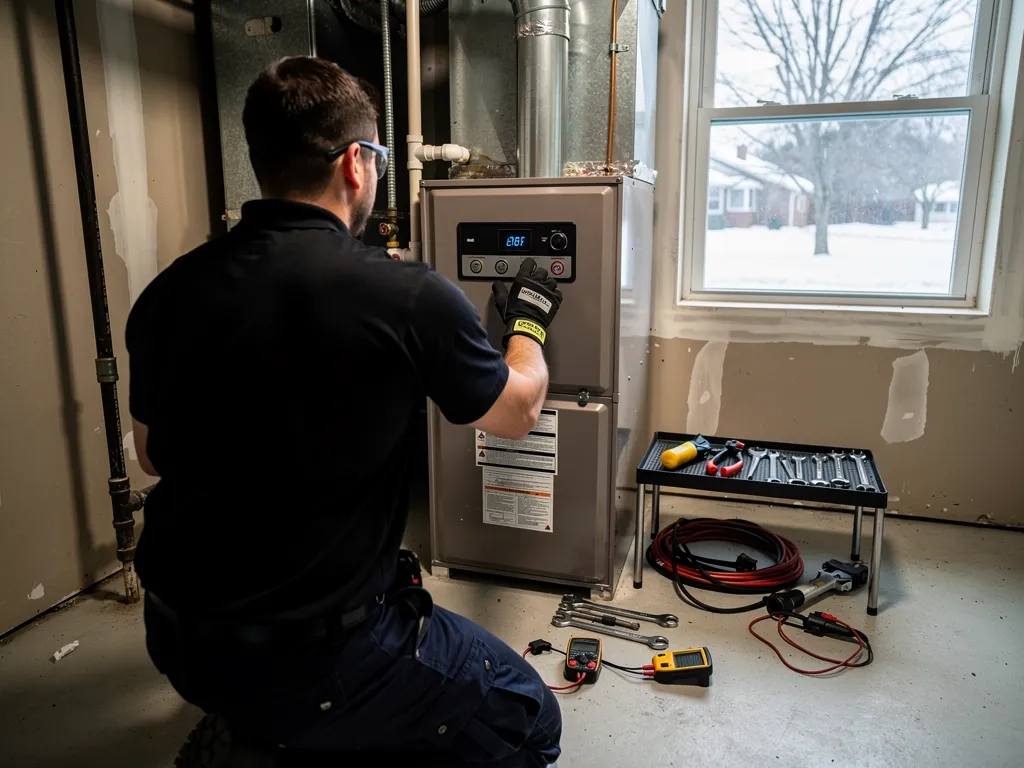
The two biggest factors driving furnace replacement cost in Washington, D.C., are home size and fuel type. Homeowners must decide between gas, oil, or electric heat before selecting an efficiency level. That choice determines upfront price, long-term operating cost, and eligibility for efficiency incentives.
How Does Fuel Type Affect Cost?
Electric furnaces cost 30% to 50% less than gas and oil furnaces, according to industry data on new furnace costs in Washington, D.C. The lower purchase price makes electric models attractive for budget-conscious replacements. Gas and oil furnaces carry higher equipment and installation costs but often deliver lower monthly heating bills in colder months. Home size also plays a major role. Larger homes require more BTUs, which pushes total cost upward regardless of fuel choice.
Should You Pay More for a High-Efficiency Furnace?
High-efficiency furnaces cost more upfront, but they save money on heating bills over time. These models also qualify for efficiency incentives that offset the initial price difference. A standard-efficiency furnace costs less at installation but consumes more fuel each winter. For a Washington, D.C., homeowner planning to stay in the property for several years, the long-term savings from a high-efficiency unit often outweigh the higher purchase price. The team handles installation for furnaces, boilers, and heat pumps, including safe removal of old units and proper sizing to match the home’s heating load.
How Do I Choose the Best Furnace Replacement Option for My Home?
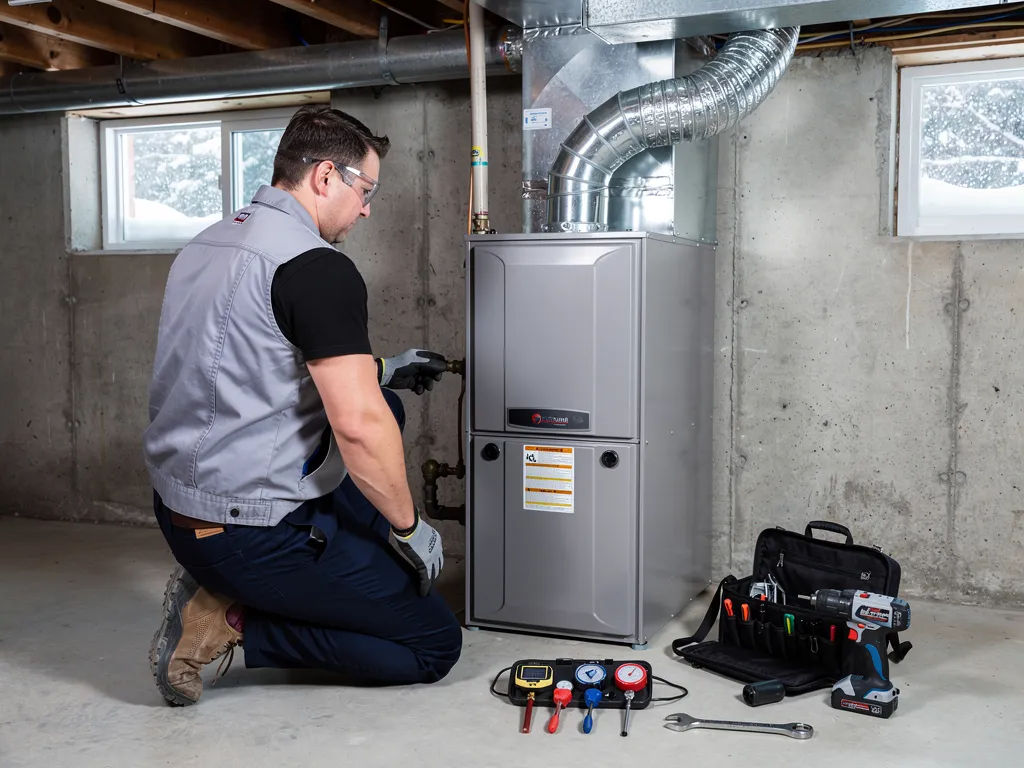
Choosing the right furnace replacement for a Washington, D.C. home starts with a professional assessment of the property’s specific heating needs. Most homes in Washington, D.C., require 45 to 50 BTUs per square foot for adequate heating. Have a pro size your system. A licensed technician measures the home, evaluates insulation levels, and checks window efficiency before recommending any equipment. This step prevents undersized units that struggle to heat and oversized units that cycle on and off wastefully.
What factors should homeowners evaluate when comparing furnace models?
Homeowners should compare fuel type, efficiency ratings, and system size when evaluating replacement options. Electric furnaces cost 30% to 50% less than gas and oil furnaces, though operating costs vary by local utility rates. Newer systems often provide better efficiency and more consistent performance. A professional can review the home’s setup and suggest options designed to reduce energy use over the long term.
How does a professional assessment improve the selection process?
The team starts with a full system check, explains what they find, and recommends the ideal solution. This assessment covers the existing ductwork condition, electrical capacity, and ventilation requirements. The company has focused on honest recommendations, detailed workmanship, and fast response when comfort and safety are on the line. Homeowners receive clear explanations of each option without pressure to choose the most expensive model.
Key steps in the selection process:
- Schedule a home evaluation to determine the correct BTU load
- Review fuel options and compare long-term operating costs
- Select a unit with an efficiency rating that qualifies for available incentives
- Confirm the installation includes a system performance verification
What Steps Lead to a Successful Installation?
A successful furnace replacement follows a clear sequence: safe removal, proper sizing, and thorough testing. The team completes each phase with licensed, insured workmanship that meets local code standards. Homeowners in Washington, D.C. avoid repeat breakdowns when every step gets proper attention.
How Does the Team Prepare for the Installation?
Preparation starts with listening. The team reviews the home’s heating needs and explains the available options clearly before any work begins. This conversation covers the old unit’s condition and the right replacement size for the property. Clients receive honest recommendations, not pressure to overspend.
What Happens During the Installation Itself?
The installation process follows a strict order:
- Safe removal of the old furnace, boiler, or heat pump
- Proper sizing of the new unit to match the home’s square footage and ductwork
- Code-compliant hookup of gas, electrical, and venting connections
- Thorough testing of the complete system before the crew leaves
Licensed and insured technicians handle every connection. This protects the homeowner and ensures the work passes inspection. The team stands behind each installation visit, so a follow-up call brings a prompt response.
How Does the Team Verify the Work Is Complete?
Once the client approves the work, the crew verifies system performance. They confirm the furnace cycles correctly, heats evenly, and shuts down safely. A final walkthrough shows the homeowner how to operate the new thermostat and schedule maintenance. That verification step catches small issues before they become costly winter emergencies.
What Mistakes Should You Avoid When Replacing?
Skipping annual maintenance after a new furnace installation undermines the investment. Most systems benefit from service once a year to improve efficiency, reduce breakdowns, and keep equipment prepared for seasonal weather. Homeowners who neglect this step face higher energy bills and unexpected mid-winter failures.
What happens when homeowners ignore available financial help?
Many Washington, D.C. residents miss out on assistance that covers the full cost of a replacement. Residents can apply to replace or repair their broken central air conditioning, heating systems, hot water tanks, and chimney liners with more efficient systems. The Emergency Mechanical Systems Program is offered by the Department of Energy and Environment and works with a local nonprofit to pay for the new system. Failing to check eligibility before purchasing leaves money on the table.
Which contractor mistakes cause the most problems?
Hiring unlicensed crews creates safety and code-compliance risks. A provider with more than 30 years of experience, with licensed, bonded, and insured crews. Responsive customer service delivers reliable results. Common errors include:
- Choosing the lowest bid without verifying licensing or insurance
- Accepting a quote that skips a full home load calculation
- Ignoring efficiency ratings that affect long-term operating costs
Each mistake adds expense and frustration. A thorough vetting process protects the homeowner from poor workmanship and premature system failure.
FAQ
How do I know if my furnace needs replacement?
Watch for warm (not hot) air from vents, weak airflow, banging or squealing noises, rising energy bills, and inconsistent temperatures between rooms. These signs often point to an aging furnace struggling in Washington, DC’s tightly retrofitted attic or crawl spaces.
How is a replacement furnace sized for my DC home?
Sizing is based on home square footage, with most properties needing 45 to 50 BTUs per square foot for adequate heat. Jimmy Gusky’s licensed crews calculate this during a free estimate to match the unit properly.
Should I choose a gas, oil, or electric furnace?
Electric furnaces cost 30% to 50% less than gas or oil models upfront, making them budget-friendly. Gas and oil often lower monthly heating bills in colder months. Jimmy Gusky’s team helps homeowners weigh these options during installation.
Conclusion
In closing, furnace replacement in Washington, D.C. succeeds when homeowners prioritize professional assessment, honest recommendations, and licensed installation over cost alone. The right choice combines proper sizing, efficiency ratings, and thorough verification to protect your investment and comfort through every winter season. Jimmy Gusky Heating And Air brings over 30 years of experience and straightforward communication to guide you through each decision, ensuring your new system performs reliably for years to come.