Claim Free Estimates on HVAC Projects
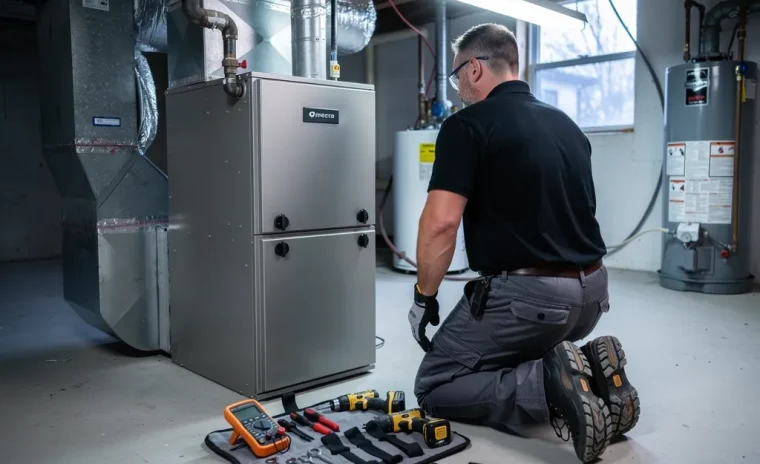
Furnaces over 15 years old needing frequent repairs or showing rising energy bills signal replacement, not repair. Jimmy Gusky Heating And Air, LLC, with over 30 years of experience, provides trusted air conditioning, heating, and plumbing services throughout the Washington, DC region. Strange noises or uneven heating confirm the need for a new system.
What Will This Guide Help You Decide?
The guide helps homeowners determine whether to repair or replace their furnace by evaluating four critical factors. Age, repair frequency, safety risks, and efficiency loss all shape the final recommendation. A wrong call costs money and comfort. A right call restores reliable heat without wasted spending.
What signals indicate a furnace needs professional attention?
Several warning signs point to trouble. Warm air blowing from vents, weak airflow, unusual noises, rising energy bills, and inconsistent temperatures across rooms all signal that the system needs attention. Ignoring these symptoms allows small problems to grow into expensive failures. A technician from Jimmy Gusky Heating And Air, LLC inspects the unit and explains the next steps clearly.
How does a professional assessment work?
A full system check serves as the starting point for every heating decision. The technician examines the furnace, explains the findings, and recommends the ideal solution. Once the homeowner approves the work, the team completes the repair and verifies system performance. This process removes guesswork. Homeowners receive clear guidance backed by over 30 years of experience in heating, cooling, plumbing, and ductwork needs.
For systems beyond repair, the company provides expert [heating replacement](https://www.jimmygusky.com/services/heating-replacement/) services throughout Washington, DC. The evaluation covers safety concerns, efficiency losses, and long-term cost projections. Homeowners walk away with a straightforward answer: fix the existing unit or invest in a new one.
How Old Is Too Old for a Furnace?
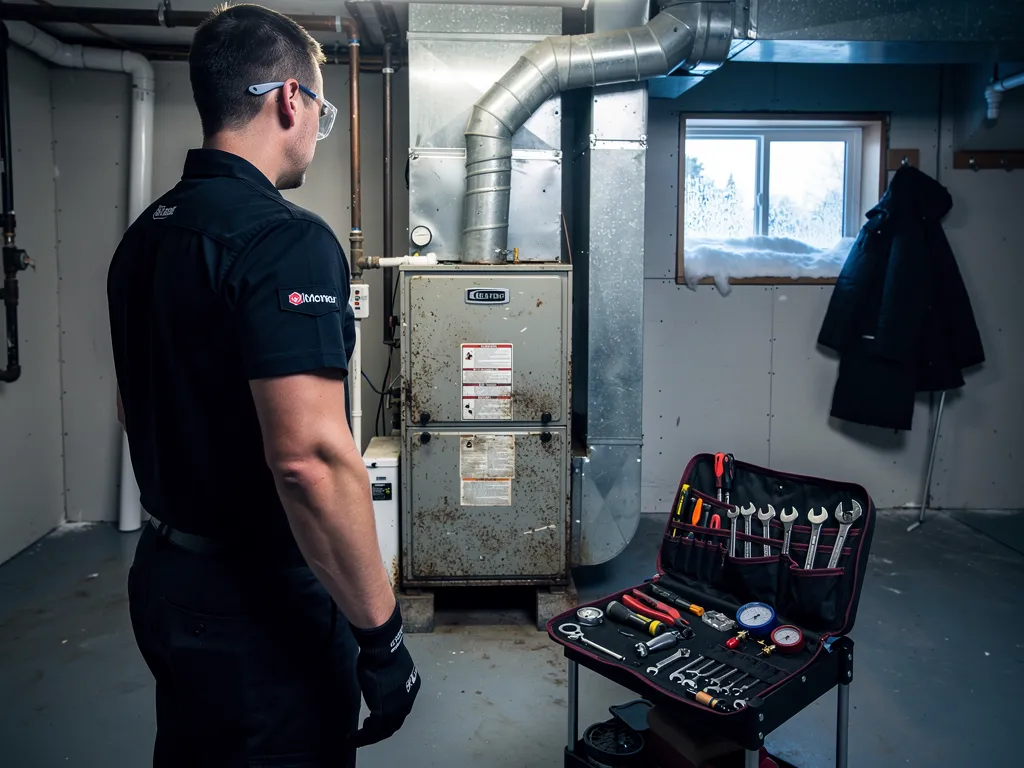
A furnace older than 15 years sits in the replacement zone. The average gas furnace lifespan is 15 to 20 years. Actual longevity depends on original quality, installation precision, and maintenance history. Homeowners who delay replacement past this window risk mid-winter breakdowns and escalating energy costs.
What is the typical service life of a residential furnace?
System age serves as the baseline filter for every heating decision. According to equipment life expectancy data from the American Society of Heating, Refrigerating and Air-Conditioning Engineers (ASHRAE), the median service life of a residential gas furnace is 15 to 20 years. Units can last longer or fail earlier depending on how well they were installed and maintained.
What happens to a furnace after 15 years of operation?
Once a unit crosses 15 years, thermal expansion cycles make metal components brittle. Replacement parts also become difficult to locate at that stage. These physical changes increase the likelihood of sudden failure during peak heating demand.
Energy.gov confirms that older furnaces are less efficient and more prone to breakdowns. A homeowner facing repeated service calls on a 16-year-old system often spends more on repairs than a new installation would cost over the same period.
The decision framework follows a clear sequence:
- Check the serial number to confirm the exact manufacture date rather than relying on memory or prior owner estimates.
- Compare the unit’s age against the 15-year threshold established by ASHRAE’s median service life data.
- Evaluate repair frequency over the past two heating seasons to identify whether breakdowns are accelerating.
- Assess part availability for units beyond 15 years, since brittle components and discontinued inventory complicate repairs.
- Calculate cumulative repair costs against the price of a new high-efficiency system to determine the financial breakpoint.
Jimmy Gusky Heating And Air, LLC helps Washington, DC homeowners navigate this assessment with straightforward diagnostics. We have focused on honest recommendations, detailed workmanship, and fast response when comfort and safety are on the line.
Are Frequent Repairs Costing You More?
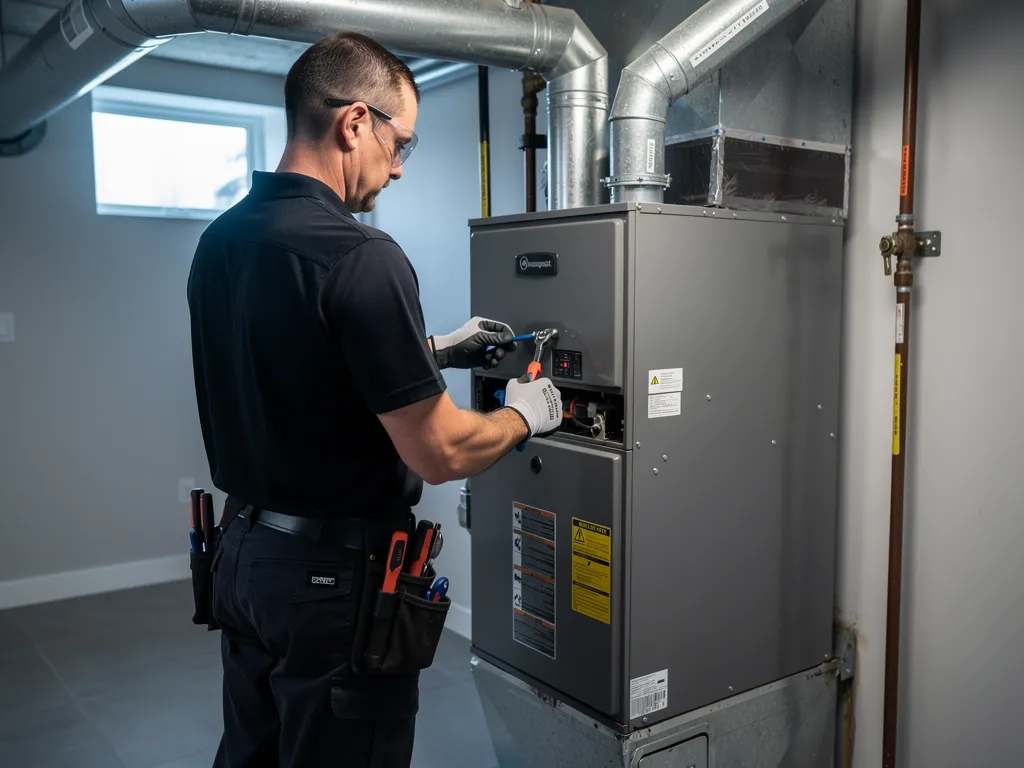
Frequent furnace repairs drain household budgets faster than most homeowners realize. The most obvious warning sign of a failing furnace is paying for more frequent and more expensive repairs. A single major repair might make financial sense. Multiple service calls within a single heating season rarely do.
Homeowners face a clear financial threshold when repair costs accumulate. An inefficient furnace struggles to maintain consistent temperatures and often produces unusual noises. These symptoms suggest replacement may be the best course of action rather than continuing to fund temporary fixes.
How Do Repair Costs Compare to Replacement Value?
A straightforward calculation helps homeowners decide. Follow these steps to evaluate the financial picture:
- Total all repair invoices from the past two heating seasons. Include parts, labor, and emergency service fees.
- Multiply the furnace’s age by the most recent repair bill. Industry guidance suggests replacement when this figure exceeds the cost of a new system.
- Compare the result against a new furnace estimate. Jimmy Gusky provides detailed diagnostics and clear options so clients see the full cost comparison before committing.
What Hidden Costs Come With an Aging Furnace?
Repair bills tell only part of the story. An older furnace operating below peak efficiency drives up monthly utility costs month after month. Uneven heating forces the system to run longer cycles, accelerating wear on components that have already been patched together. These hidden expenses compound silently while the homeowner focuses only on the latest repair invoice.
Jimmy Gusky listens to each client’s concerns and explains every option clearly. The company’s heating repair services include thorough diagnostics that identify whether a repair restores reliable performance or merely postpones an inevitable breakdown. Detailed maintenance checks protect system performance and reduce the risk of winter emergencies. When repair frequency climbs and comfort becomes inconsistent, an honest assessment often points toward replacement as the smarter long-term investment.
What Safety Risks Signal Replacement?
A furnace that threatens household safety demands immediate replacement, not another repair. Carbon monoxide leaks, cracked heat exchangers, and persistent gas odors create hazards that no service call can permanently resolve on an aging system.
How does a cracked heat exchanger create danger?
A cracked heat exchanger allows combustion gases, including carbon monoxide, to escape into the home’s airflow. This odorless, colorless gas causes serious illness or death without warning. Once a heat exchanger cracks, replacement of the entire furnace becomes the only code-compliant and safe path forward. The company follows proper licensing and insurance standards so customers get safe, code-compliant HVAC work every visit.
When do gas odors indicate replacement over repair?
Intermittent gas smells near the furnace often point to a failing gas valve or burner assembly. These components degrade with age and thermal cycling. Repeated gas valve failures signal systemic wear that individual repairs cannot fix. Jimmy Gusky has focused on honest recommendations, detailed workmanship, and fast response when comfort and safety are on the line. The team listens, explains options clearly, and stands behind every assessment.
Homeowners face a clear decision when safety systems fail repeatedly. The following steps outline the evaluation process:
- Schedule an immediate inspection if any gas odor, soot around registers, or flu-like symptoms appear when the heat runs.
- Request a heat exchanger evaluation using a borescope camera to confirm cracks invisible to the naked eye.
- Review the furnace’s age and repair history against the safety findings. A unit over 15 years old with a cracked exchanger warrants full replacement.
- Compare replacement options that meet current efficiency and safety codes. Newer systems often provide better efficiency and more consistent performance, which the company reviews against a home’s specific needs.
The company has worked on heating, cooling, and plumbing systems since 1989, giving the skills to solve complex comfort issues. That depth of experience matters most when safety hangs in the balance. A furnace that compromises indoor air quality or leaks combustion byproducts is not a candidate for continued patching.
How Do You Apply the Rule?
This practical decision framework helps homeowners evaluate furnace age, repair frequency, safety risks, and efficiency loss to choose between repairing or replacing.
Homeowners face a tough call when a furnace breaks down mid-winter. Multiply the unit’s age in years by the quoted repair dollar amount. That number points straight to replacement. Repair makes sense.
What Factors Does the Rule Overlook?
The rule provides a starting point, not the final word. Rising energy bills and uneven heating often reveal deeper efficiency losses that a simple multiplication misses. Frequent breakdowns within a single season also tilt the scale toward replacement, regardless of the calculated figure.
Jimmy Gusky provides heating installation and replacement with safe removal of old units, proper sizing, and thorough testing for warm, efficient homes. The company works with homeowners, property managers, and small commercial businesses throughout Washington, DC and nearby communities. A professional assessment catches what the math alone cannot.
How Does Maintenance Affect the Repair-or-Replace Decision?
Most systems benefit from service once a year, which helps improve efficiency, reduce breakdowns, and keep equipment prepared for seasonal weather. A well-maintained 12-year-old furnace often outperforms a neglected 8-year-old unit. Skipping annual tune-ups accelerates wear and pushes a system toward premature failure.
Consistent care extends service life. Neglect shortens it. Understanding typical HVAC repair costs provides context for evaluating any repair quote against the replacement threshold. The rule works best when paired with honest, professional input about a system’s true condition.
FAQ
How old is too old for a furnace?
The average gas furnace lifespan is 15 to 20 years. Units nearing or past that range are strong candidates for replacement, especially when paired with frequent repairs or rising energy bills.
How does a professional assessment determine repair or replacement?
The technician examines the furnace, explains the findings, and recommends the ideal solution based on age, repair history, safety, and efficiency.
What are the clearest signs a furnace needs replacement rather than repair?
Warm air blowing weakly from vents, unusual noises, rising energy bills, uneven heating between rooms, and a unit older than 15 years all point toward replacement. A cracked heat exchanger or persistent gas odor makes replacement the only safe option.
How do I know if repair costs have crossed the replacement threshold?
Multiply the furnace’s age in years by the cost of the most recent repair. If that number exceeds the price of a new furnace, replacement is typically the smarter investment. Adding up repair invoices from the past two heating seasons helps confirm the trend.
Is it safe to keep running a furnace with a cracked heat exchanger?
No. A cracked heat exchanger can let carbon monoxide and other combustion gases leak into the home’s airflow. This is a safety hazard that requires full furnace replacement, not a repair.
Does regular maintenance affect whether I should repair or replace my furnace?
Yes. A well-maintained furnace often outperforms a neglected unit years younger. Annual tune-ups extend service life and can delay the need for replacement, while skipped maintenance accelerates wear and pushes a system toward premature failure.