Claim Free Estimates on HVAC Projects
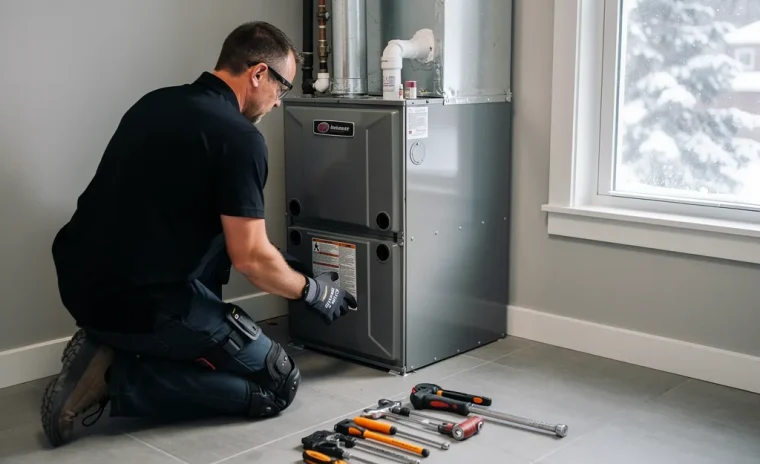
Key factors include system age, repair frequency, energy efficiency ratings, and monthly utility costs. Jimmy Gusky Heating And Air, LLC, with over 30 years of experience serving Washington, DC, Maryland, and Northern Virginia, recommends comparing multiple estimates, checking contractor licensing, and weighing long-term savings against upfront replacement costs before deciding.
Is It Time to Replace My Heating System?
Age is the first indicator. A heat pump or air conditioner older than 10 years has passed its peak efficiency window. A furnace or boiler older than 15 years operates well below modern standards. Replacing aged equipment with an ENERGY STAR qualified model cuts energy use and prevents sudden winter breakdowns.
How Do Frequent Repairs Signal the Need for Replacement?
Repeated service calls add up fast. When repair costs approach half the price of a new system, replacement becomes the smarter financial move. Rising energy bills also point to declining efficiency. An older unit works harder to produce the same heat, driving monthly costs higher with no improvement in comfort.
What Role Does System Performance Play in the Decision?
Uneven heating across rooms signals trouble. A system that cycles on and off too often or runs constantly without satisfying the thermostat has lost its ability to regulate properly. Jimmy Gusky Heating And Air, LLC brings over 30 years of experience evaluating these performance issues. The team helps homeowners distinguish between a simple fix. A system that has reached the end of its service life.
Signs that replacement deserves serious consideration:
- Equipment age exceeds 10 years for heat pumps or 15 years for furnaces and boilers
- Repair frequency has increased over the past two heating seasons
- Monthly energy bills have risen despite normal usage patterns
- Rooms feel unevenly heated or the system struggles to maintain set temperature
- Visible rust, cracks, or burner soot indicate internal deterioration
Delaying replacement past these warning signs risks a mid-winter failure. A proactive approach gives homeowners time to select the right system and schedule installation before cold weather arrives.
A homeowner faces several key factors when deciding to replace a heating system. Proper sizing of the new equipment stands as the most critical element for efficiency and comfort. An oversized unit cycles on and off too frequently, wasting energy. An undersized unit struggles to keep a home warm on the coldest days.
How Does the Existing System Affect the Replacement Decision?
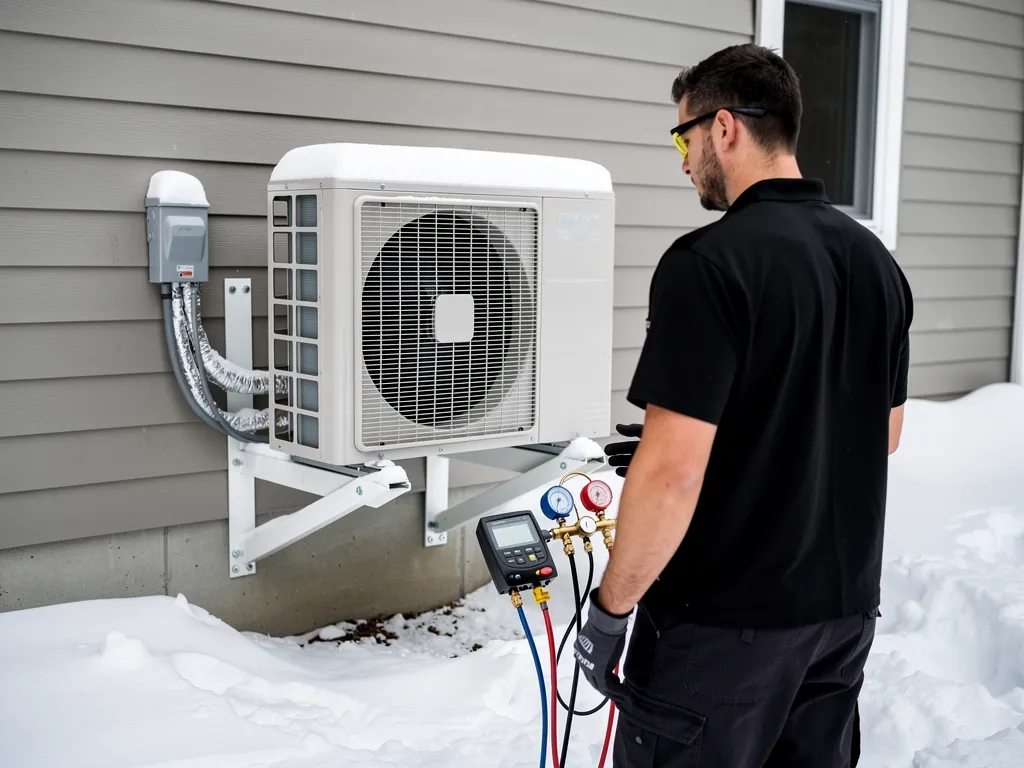
An evaluation of the current system reveals the true scope of the problem. Common issues include uneven temperatures between rooms, frequent repair calls, high utility bills, excessive noise, slow heating, and poor airflow. These symptoms point to a system that no longer performs reliably. A professional assessment identifies which problems stem from the equipment itself and which come from ductwork, insulation, or thermostat placement.
What Role Does a Professional Assessment Play?
Jimmy Gusky Heating And Air, LLC provides comprehensive assessments to understand each home’s specific needs. The team listens to client concerns and offers options suited to every situation. This approach helps property owners weigh repair costs against replacement value.
Consider these factors before making a decision:
- System age and repair history: Frequent breakdowns signal the end of useful life
- Energy efficiency: Older units waste fuel and drive up monthly bills
- Comfort consistency: Uneven heating indicates declining performance
- Installation quality: Proper ductwork and ventilation affect how well the system performs
A thorough evaluation covers electrical requirements, ventilation, and thermostat placement. These elements all influence how effectively a new system operates. Homeowners who skip this step risk installing equipment that underperforms despite the investment. The right assessment leads to a system sized correctly for the home, delivering steady warmth and controlled energy costs for years to come.
How Do I Choose the Right Heating System Type?

Selecting the right heating system type depends on the home’s existing infrastructure, fuel availability, and efficiency goals. Jimmy Gusky Heating And Air, LLC specializes in heating system installation and repair, including furnaces, boilers, and heat pumps. The company provides services for heat pumps, boilers, and water heaters as part of their heating replacement options. A professional evaluation of the property determines which system delivers the best performance.
What efficiency gains do ENERGY STAR systems offer?
An ENERGY STAR qualified furnace is 15% more efficient than a conventional furnace. For homes with boilers, an ENERGY STAR qualified boiler delivers efficiency gains that lower monthly utility bills over the system’s lifespan. These efficiency gains translate into lower monthly utility bills over the system’s lifespan. Higher efficiency also reduces the environmental footprint of home heating.
How does system type affect installation requirements?
Each heating system type carries different installation requirements. Furnaces require ductwork to distribute warm air throughout the home. Boilers use radiators or radiant floor systems and need proper piping. Heat pumps function as both heating and cooling units but require adequate outdoor space for the condenser unit. A licensed technician assesses the home’s existing setup before recommending a specific system type.
| System Type | Key Feature | Efficiency Potential |
|---|---|---|
| Furnace | Uses ductwork | 15% more efficient with ENERGY STAR |
| Boiler | Uses radiators or radiant floors | Efficiency gains lower utility bills |
| Heat Pump | Provides heating and cooling | Varies by model and climate |
The right choice balances upfront installation costs with long-term energy savings. A thorough assessment of the home’s current equipment and fuel source guides the decision toward the most practical and efficient option.
What Should I Expect During the Installation Process?
A professional heating system installation follows a structured process that prioritizes safety, proper fit, and reliable performance. Jimmy Gusky Heating And Air, LLC begins with safe removal of old equipment, then moves to correct sizing and thorough testing of the new unit. This approach keeps a home warm and efficient all winter.
How Does the Team Prepare for Installation?
The process starts with a free estimate. Jimmy Gusky Heating And Air, LLC provides free estimates for HVAC services, allowing homeowners to understand the scope and cost before any work begins. The licensed, bonded, and insured team then evaluates the existing setup to ensure the new system meets code-compliant standards.
What Are the Key Installation Steps?
The installation follows a clear sequence of actions:
- Safe removal of old equipment: The crew disconnects and removes the existing furnace, boiler, or heat pump, following proper disposal procedures.
- Proper sizing of the new unit: Technicians match the replacement system to the home’s heating load, ductwork, and electrical requirements.
- Thorough testing of the new system: After installation, the team runs the equipment through multiple cycles to verify performance, airflow, and safety controls.
The company serves Washington, DC, Maryland, and Northern Virginia with fast, responsive service. Homeowners can expect clear communication throughout the process, from the initial estimate to the final system test.
How Can I Avoid Common Replacement Mistakes?
Homeowners avoid costly replacement mistakes by researching systems before hiring a contractor. Doing homework on available HVAC equipment, reputable brands, and efficiency metrics prevents poor decisions. A knowledgeable client asks better questions and recognizes sound advice.
Why Does Research Matter Before Hiring a Contractor?
Contractors can explain what a home needs, but informed clients verify those recommendations. Understanding efficiency ratings and equipment options helps a homeowner compare proposals fairly. This preparation reduces the risk of overpaying or selecting an undersized system. Research also builds confidence during conversations with service professionals.
How Do Multiple Estimates Protect the Buyer?
Getting multiple estimates and staying cost-conscious leads to long-lasting comfort. Comparing several proposals reveals price differences and varying equipment recommendations. A homeowner who reviews multiple options avoids settling for the first offer. Cost-conscious choices balance upfront pricing with long-term operating expenses.
Jimmy Gusky Heating And Air, LLC focuses on honest recommendations and clear communication. The team listens carefully and explains options without pressure. Clients receive straightforward guidance that stands behind every repair and installation.
The company starts each project with a full system check. Technicians explain what they find and recommend the ideal solution. Once the client approves the work, the team completes the repair and verifies system performance. This structured approach eliminates surprises and builds lasting trust.
FAQ
When does age indicate a heating system needs replacement?
A heat pump or air conditioner older than 10 years has passed its peak efficiency window. A furnace or boiler older than 15 years operates well below modern standards. Replacing aged equipment prevents sudden winter breakdowns.
How do repair costs determine whether to replace a heating system?
Repeated service calls add up fast. Once repair costs approach half the price of a new system, replacement becomes the smarter financial move. Rising energy bills also signal declining efficiency in aging equipment.
Why does proper sizing matter when choosing a replacement system?
Proper sizing stands as the most critical element for efficiency and comfort. An oversized unit cycles on and off too frequently, wasting energy. An undersized unit struggles to keep a home warm on the coldest days.
Conclusion
In closing, replacing a heating system represents a significant investment that pays dividends through improved comfort, lower energy bills, and peace of mind during winter months. By evaluating system type, efficiency potential, installation requirements, and long-term costs, homeowners make informed decisions that align with their needs and budget. Jimmy Gusky Heating And Air, LLC stands ready to guide you through every step of the replacement process with honest recommendations, professional installation, and the reliable service that has defined our family business for over three decades.