Claim Free Estimates on HVAC Projects
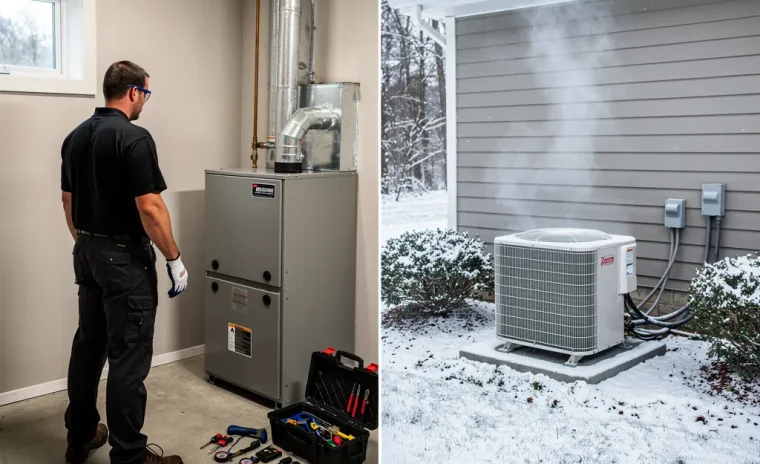
Washington, DC homeowners typically choose among forced-air furnaces, heat pumps, and boilers, since most local properties use ducted systems. Jimmy Gusky Heating And Air, LLC, operating with over 30 years of experience, evaluates home size, ductwork, and fuel access before recommending gas, oil, or electric options suited to DC’s climate and older housing stock.
What Are the Heating System Options in Washington DC?
Washington DC homeowners have several Heating System Options in Washington DC to consider. The right choice depends on the home’s layout, fuel availability, and heating output requirements. Most systems in the DC area fall into two main categories: forced-air systems and radiant systems.
Forced-Air Systems
Most HVAC systems in the DC area are forced-air systems. These systems heat or cool air at a central unit and then push that air through a network of ducts. Vents in each room deliver the conditioned air. Forced-air systems include several fuel types:
- Gas furnaces: Natural gas is the most common fuel in the region
- Propane furnaces: Used in homes without natural gas lines
- Oil furnaces: Found in older homes or rural areas
- Heat pumps: Electric systems that provide both heating and cooling
- Air conditioners: Cooling-only units paired with a separate heating system
Radiant Heating Systems
A second option uses radiators instead of ductwork. These systems do not blow air. Instead, they radiate heat from metal appliances that use hot water or steam. Radiators provide steady, quiet warmth without circulating dust.
What factors determine the best system for a home?
The ideal system depends on the building’s heating output needs, available fuel sources, and the local climate. A home with existing ductwork may benefit from a gas furnace or heat pump. A home without ducts may find radiant heating more practical. Location within the DC area also matters. Some neighborhoods have natural gas access while others rely on electric or oil delivery.
How Do Heat Pumps Perform in DC Winters?
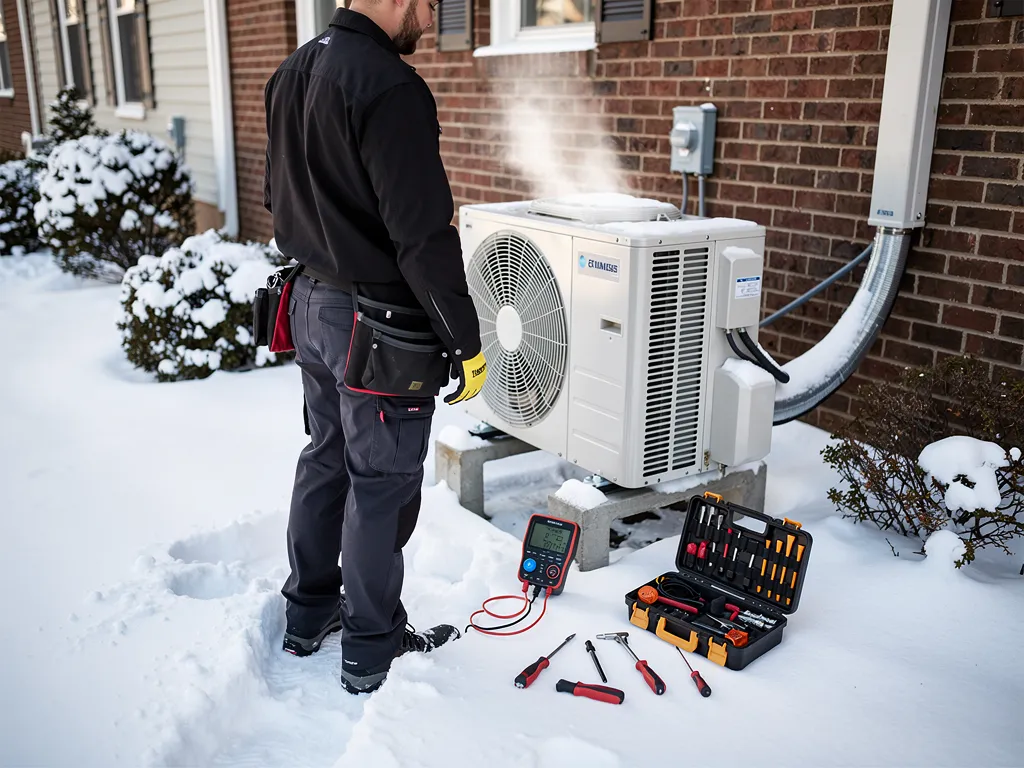
Modern heat pumps handle Washington, DC winters effectively, even during freezing temperatures. These systems extract heat from outdoor air and move it inside, reversing the process in summer for cooling. The DC Sustainable Energy Utility (DCSEU) reports that heating, cooling, and water heating systems generally make up most of a home’s monthly energy bills, which makes efficiency a top priority for local homeowners.
What Rebates Are Available for Heat Pump Upgrades?
The DCSEU offers $250 to $5,000 off qualifying electric heat pumps, heat pump water heaters, and air conditioners. That range covers a substantial portion of equipment and installation costs. Homeowners save even more on heat pump technologies when switching from gas to electric equipment. This incentive structure makes the transition financially attractive for many DC households.
Do Rebates Require Specific Contractors?
All heating and cooling equipment, including water heaters, must be installed by a DC licensed contractor to qualify for rebates. This requirement protects homeowners and ensures installations meet local code standards. Working with a licensed professional also safeguards the equipment warranty and system performance.
Key rebate details for DC homeowners:
- Rebate amounts range from $250 to $5,000
- Qualifying equipment includes electric heat pumps, heat pump water heaters, and air conditioners
- Extra savings apply when switching from gas to electric systems
- DC licensed contractor installation is mandatory
Heat pumps provide year-round comfort in the capital region. The combination of federal and local incentives, plus reduced monthly energy consumption, makes these systems a practical choice for DC properties.
Is a Dual-Fuel System Right for Your Home?
A dual-fuel system pairs an electric heat pump with a gas furnace. This combination allows the system to switch between fuel sources based on outdoor temperature. The heat pump handles heating in milder weather, while the gas furnace takes over during extreme cold. This setup provides efficient operation across a wider range of temperatures than a single system alone.
How Does a Dual-Fuel System Work?
The system uses a thermostat or controller that monitors outdoor temperatures. When temperatures stay above a set threshold, the heat pump operates. Heat pumps move heat rather than generate it, making them highly efficient in moderate conditions. Once the temperature drops below that threshold, the system automatically switches to the gas furnace. The furnace then provides strong, consistent heat even during Washington, DC’s coldest winter days.
What Are the Installation Requirements?
Proper sizing is critical for a dual-fuel system to perform correctly. The heat pump and furnace must match the home’s heating load and ductwork capacity. The installation process includes safe removal of old units, precise sizing calculations, and thorough testing. This thorough testing ensures the home stays warm and efficient all winter. Homeowners considering Heating System Options in Washington DC should evaluate whether their existing ductwork and outdoor space can accommodate both components.
Should You Consider a Boiler or Radiator System?
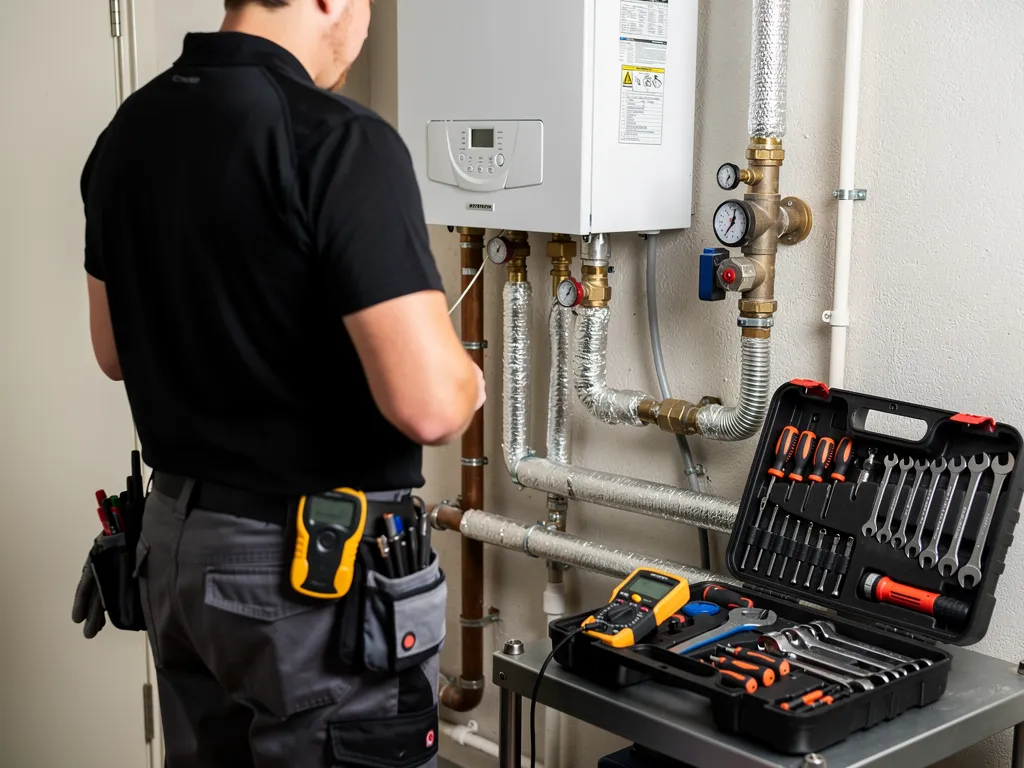
A boiler and radiator system offers a fundamentally different approach to home heating. Instead of blowing warm air through ducts, these systems radiate heat from metal appliances that use hot water or steam. This method avoids circulating dust and allergens, which makes it a strong option for homeowners seeking quieter, more even warmth.
How Do Radiator Systems Work?
Radiator systems rely on a central boiler to heat water or produce steam. The boiler then sends that heated medium through pipes to radiators installed in individual rooms. Each radiator gives off heat through its metal surface, warming the space without the noise of a forced-air fan. This design creates steady, consistent temperatures rather than the on-and-off cycles common with furnaces.
What Fuel Options Are Available?
Homeowners evaluating Heating System Options in Washington DC will find several fuel types for boilers. Gas condensing boilers are a popular choice because they capture extra heat from exhaust gases, achieving high efficiency. Oil boilers remain a reliable alternative in areas without natural gas lines. Both options require professional installation and regular maintenance to perform safely and efficiently. A licensed technician can diagnose issues, restore safe operation, and reduce the risk of winter breakdowns through detailed system checks.
What About Underfloor Heating for DC Homes?
Underfloor heating offers Washington, D.C. homeowners an alternative to traditional forced-air systems. Two main types exist: hydronic systems, which circulate warm water through tubing, and electric systems, which use heating mats or cables. Electric systems are generally easier to install, making them a practical choice for retrofits.
Is Electric Underfloor Heating Thinner Than Hydronic?
Electric underfloor heating mats sit closer to the finished floor surface. This thinner profile allows for more insulation underneath, which matters when ceiling height is limited. More insulation reduces heat loss into the ground, improving overall efficiency.
Can a Heat Pump Power Hydronic Underfloor Heating?
An air-to-water heat pump can feed a hydronic underfloor heating system. This pairing delivers efficient, low-temperature heat that matches the system’s design. Some homeowners prefer the simplicity of a gas tankless water heater instead. The heat pump option reduces reliance on fossil fuels.
What Happens When Installing on an Uninsulated Slab?
Installing underfloor heating directly on an uninsulated concrete slab creates a costly problem. A significant portion of the heat goes toward warming the ground beneath the slab rather than the living space. Proper insulation below the heating layer prevents this waste and keeps operating costs manageable.
| System Type | Installation Difficulty | Typical Profile | Best For |
|---|---|---|---|
| Electric | Easier | Thinner | Retrofits, small areas |
| Hydronic | More complex | Thicker | Whole-home, new construction |
Ductwork improvements and comprehensive system assessments help maintain comfort in homes using any heating method. A professional evaluation determines whether underfloor heating suits a specific D.C. property’s structure and insulation levels.
FAQ
What heating system options exist for Washington DC homes?
Jimmy Gusky Heating And Air, LLC helps homeowners choose among forced-air furnaces (gas, propane, oil), heat pumps, air conditioners, and radiant radiator systems, selecting the right fit based on ductwork, fuel access, and home layout.
How do heat pumps perform during DC winters?
Modern heat pumps extract heat from outdoor air and move it inside, handling Washington, DC winters effectively even in freezing temperatures, then reverse the process to provide cooling in summer.
What rebates are available for heat pump upgrades in DC?
The DCSEU offers $250 to $5,000 off qualifying electric heat pumps, heat pump water heaters, and air conditioners, with extra savings for homeowners switching from gas to electric equipment.
Conclusion
In closing, selecting the right heating system for your Washington, DC home depends on your property’s layout, existing infrastructure, and comfort priorities. Whether you choose a heat pump for year-round efficiency, a dual-fuel setup for extreme cold protection, a radiator system for even warmth, or underfloor heating for modern comfort, the key is matching the solution to your specific needs. Jimmy Gusky Heating And Air, LLC brings over thirty years of local expertise to guide you through this decision, ensuring your home stays comfortable through every season while maximizing efficiency and reliability.